In Praise of the Long Walk
There is a kind of thinking that only happens after the first hour on foot. A short defence of walking with no destination and no podcast.

2 min read
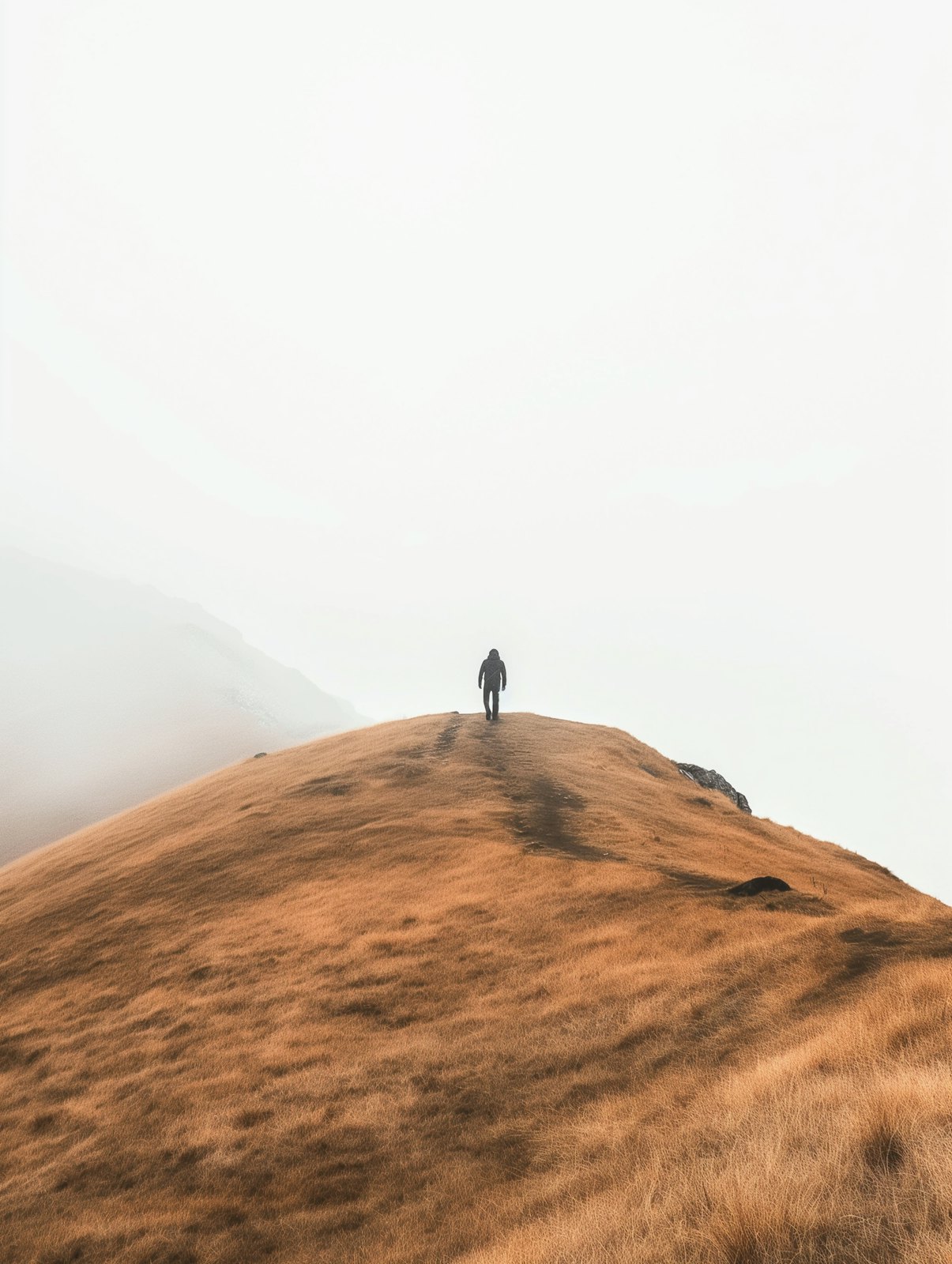
Writers have always walked. Wordsworth was said to have covered tens of thousands of miles on foot over his lifetime. Dickens walked the streets of London at night when he could not sleep. Virginia Woolf called rambling the streets of London one of the great pleasures of town life.
They were not exercising. They were thinking, in the only way some kinds of thinking can be done.
The first hour is just the warm-up
A short walk clears your head. A long walk changes it. For the first forty minutes or so, your mind keeps returning to the to-do list, the email you should have sent, the conversation you are replaying. Then, somewhere in the second hour, it lets go. The worries do not disappear, but they get quieter, and other thoughts have room to arrive.
Problems that look solid from a desk tend to loosen after five miles.
Leave the headphones at home
This is the hard part. Most of us fill every quiet moment with a podcast, an audiobook or a playlist. They are wonderful, but they turn the walk into a way of consuming something else. Try one long walk a week with nothing in your ears. It will feel uncomfortable for a while, then surprisingly spacious.
How to begin
Pick a loop, not a destination. It removes the pressure of arriving anywhere on time.
Go for two hours. That is enough time to get past the restless part.
Carry a small notebook. Ideas have a habit of turning up on the way home.
Walk in any weather. A grey, drizzly day is often the most rewarding.
You do not need hills, a map or special equipment. You need comfortable shoes, an afternoon and the willingness to be bored for a little while. What comes after the boredom is the reason to go.